Inspiration
50 travel experiences worth having once
This is not a list to tick off. It is a pile of reasons to leave, and to leave almost all of them alone.
The Traveller Journal12 min read
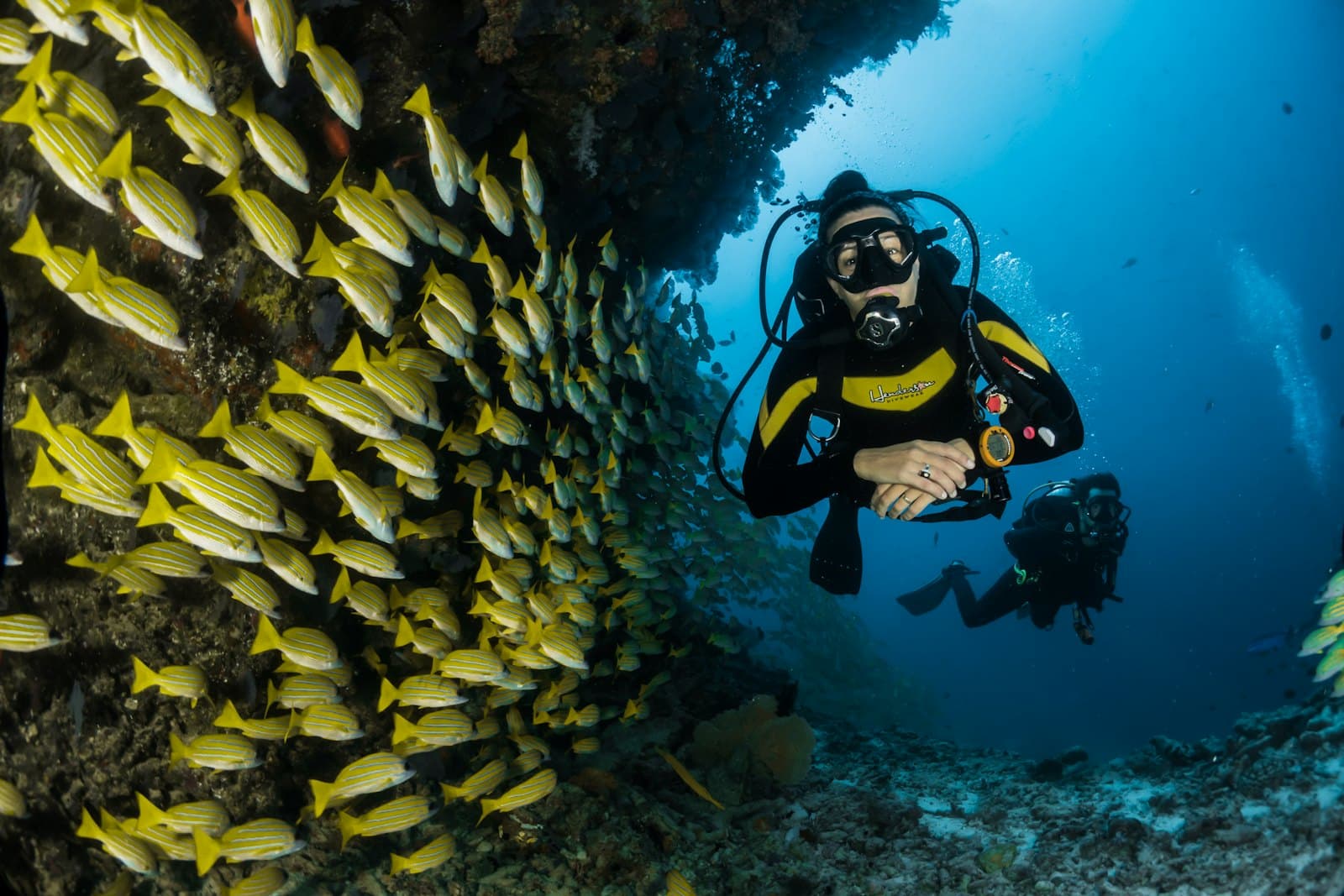
In this article
Fifty is too many things for one trip. That is fine. This list is not completed. It is used to choose one, maybe two, and let the rest wait.
There are large places and there are hours that appear in no guidebook. Mixed on purpose. A trip made only of landmarks is forgotten as soon as you close the photos. A trip made only of cafés can also come up short, if you never moved from the chair. Both scales belong.
When one of these actually gets to you, the next step is not to book the other forty-nine. It is to give it days, not hours. That is what how to plan a trip is for, and so the days do not become impossible, the itinerary.
Landscape
The countryside does not need to be remote to change the day. It needs you to stop passing through.
1. Sleep where all you hear is water. A river, a ditch, the sea at a distance. The first hour of the morning is like no city, even if the village is twenty minutes away.
2. Walk until the village is out of sight. You do not need a summit. You need the roofs to disappear, and to know the way back without checking the phone every minute.
3. Watch the sunrise with nobody in front of you. Pick a place near where you sleep. A sunrise that needs an hour's transfer becomes a bad-tempered early start.
4. Cross a wood after rain. The path smells different and almost nobody is out. Wear something for the mud, or do not complain later.
5. Swim in cold water on purpose. A lake, a river, the sea out of season. The rest of the day goes slower. Get out when your body asks. It is not a test.
6. Follow a faint path and know how to turn back. The point is not getting lost. It is paying attention: a bend, a tree, the hour. If the ground is serious, go with someone who knows it and say what time you will return.
Long journeys
A long journey is not a sum of countries. It is a move that takes you out of the ordinary week for long enough that coming home shows.
7. Arrive in a city whose name you have been saying wrong for years. Stay enough nights to correct yourself. One night only confirms the mistake.
8. Spend a night on a train that crosses a country. Sleep badly, on purpose, once. In the morning the landscape does not match the station you left. Bring water and do not romanticise the carriage.
9. Stay when the group leaves. In front of a wall, a temple, a dug-out city, or any place people photograph and abandon. Ten minutes later the place changes size.
10. Cross a border on foot. Even if it is a short bridge. The body understands the change better than a control in an airport. Check the papers first: not every border can be crossed that way.
11. Go back to a place ten years later. The same street, if you can. Not to repeat the trip. To see what you still are, and what is no longer there.
12. Take a long trip with a single bag. The limit teaches quickly what you use and what was fear. More of that is in the packing list, but the experience is the trip, not the list.
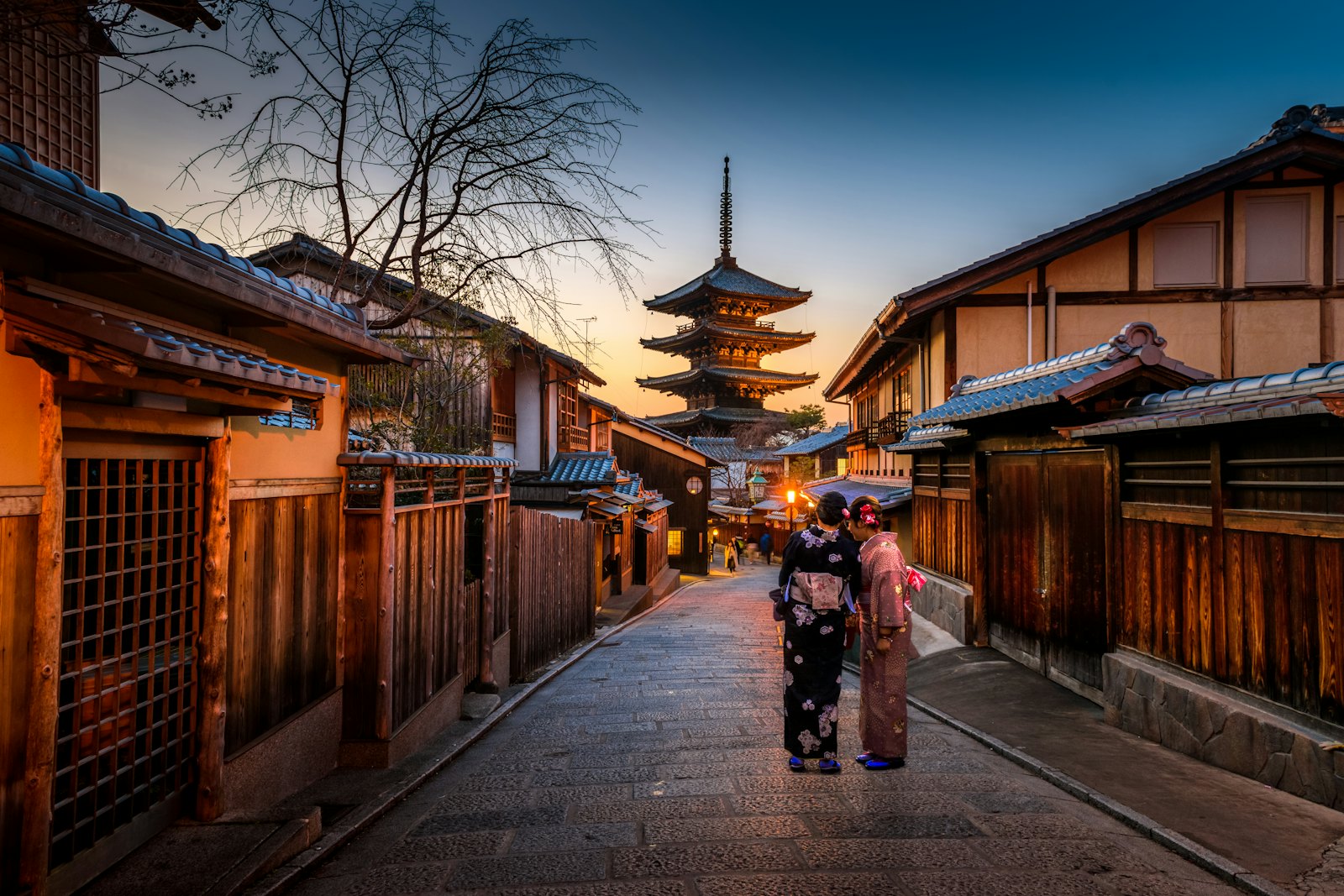
The table
Eating away from home is one of the few things that happens every day and can still be the reason for the trip.
13. Eat standing up what has just come out of the oven. Without sitting down, without translating all of it. The paper burns a little. That is enough.
14. Have breakfast where the people who live there have breakfast. Not in the place with the best light for a photo. Ask, or look for the queue of people in a hurry to get to work.
15. Order the dish you cannot translate. One. If you do not like it, you have eaten worse. If you do, you already have a reason to go back to that street.
16. Sit at a long table with strangers. A canteen, a village feast, a bar with no other table. Do not force the conversation. Sometimes it stays with the bread.
17. Buy fruit and eat it in the street. Choose what is in season, not what you recognise from the supermarket at home. Ask which one is good today.
18. Learn to order coffee the way it is ordered there. The size, the hour, whether you drink it standing up. It is a small sentence that takes the visitor off your face.
Culture
Culture, here, is not collecting monuments. It is spending a while inside something you did not organise.
19. Go into a museum for a single work. Go to that room. If you want more afterwards, let it be because there is time, not because the ticket makes you feel guilty.
20. Sit in silence through a service that is not yours. A church, a temple, a call you do not belong to. Stay briefly. Keep the phone away. If the place asks for another kind of conduct, follow it.
21. See a show made for the people who live there. Theatre, music, a local game, a screening in the original language. Even if you understand half. Especially if you understand half.
22. Read the name of a street and find out who it was. One plaque. The city becomes specific as soon as a corner has a biography.
23. Lose an afternoon in a second-hand bookshop. Without a list. Leave with a book you could not have ordered from home, or leave with nothing. Both exits count.
24. Hear music where it is played, not on a stage built for visitors. A bar, a courtyard, an open rehearsal. Pay for the drink. Do not ask for everything to be explained.
Adventure
Adventure does not have to be extreme. It has to leave the script you had in your head when you stepped off the transport.
25. Say yes to a plan that was not written down. An invitation, a detour, a beach that was not the day's beach. Check you can get back. Then stop negotiating it.
26. Climb something only for the view. A dune, a bell tower, the hill behind the village. The effort can be ten minutes. The reason is to look, not to prove anything.
27. Swim at night, if the place is safe and it is allowed. Many are not. If there is doubt, do not. If you can, the sea at night does not resemble the sea at five in the afternoon.
28. Cycle out of the area that appears in the photos. Rent for hours, not for ambition. Turn around while you still have the strength for the traffic on the way back.
29. Take a walk that leaves you properly tired. Not exhaustion. A tiredness that justifies dinner and the lack of plans at night. Bring water.
30. Hand the day to someone who knows the ground. A guide, a friend, someone from the place. You set the limit — time, money, fear — and stop directing every corner.
Road and rail
Moving is part of the trip only when you stop treating it as a nuisance between two photos.
31. Open the window on a minor road. Even if it takes longer. Do it by day, with time, and without an appointment straight after. Otherwise you will be back on the fast road in a bad mood.
32. Get off at a small station because you like the name. Check first that there is a train back. A pretty name does not always have a bar, or a platform home.
33. Choose the slow journey on purpose. A local train, a line bus, a ferry instead of the bridge. Once a trip is enough to understand the distance.
34. Eat where the people who work the road stop. Lorry drivers, a works canteen, a menu written by hand. It is not always good. It is almost always more honest than the place with photos on the door.
35. Travel at night and watch the windows. On a train or a bus, not at the wheel if you are tired. Lit houses tell another city, the one where people are already home.
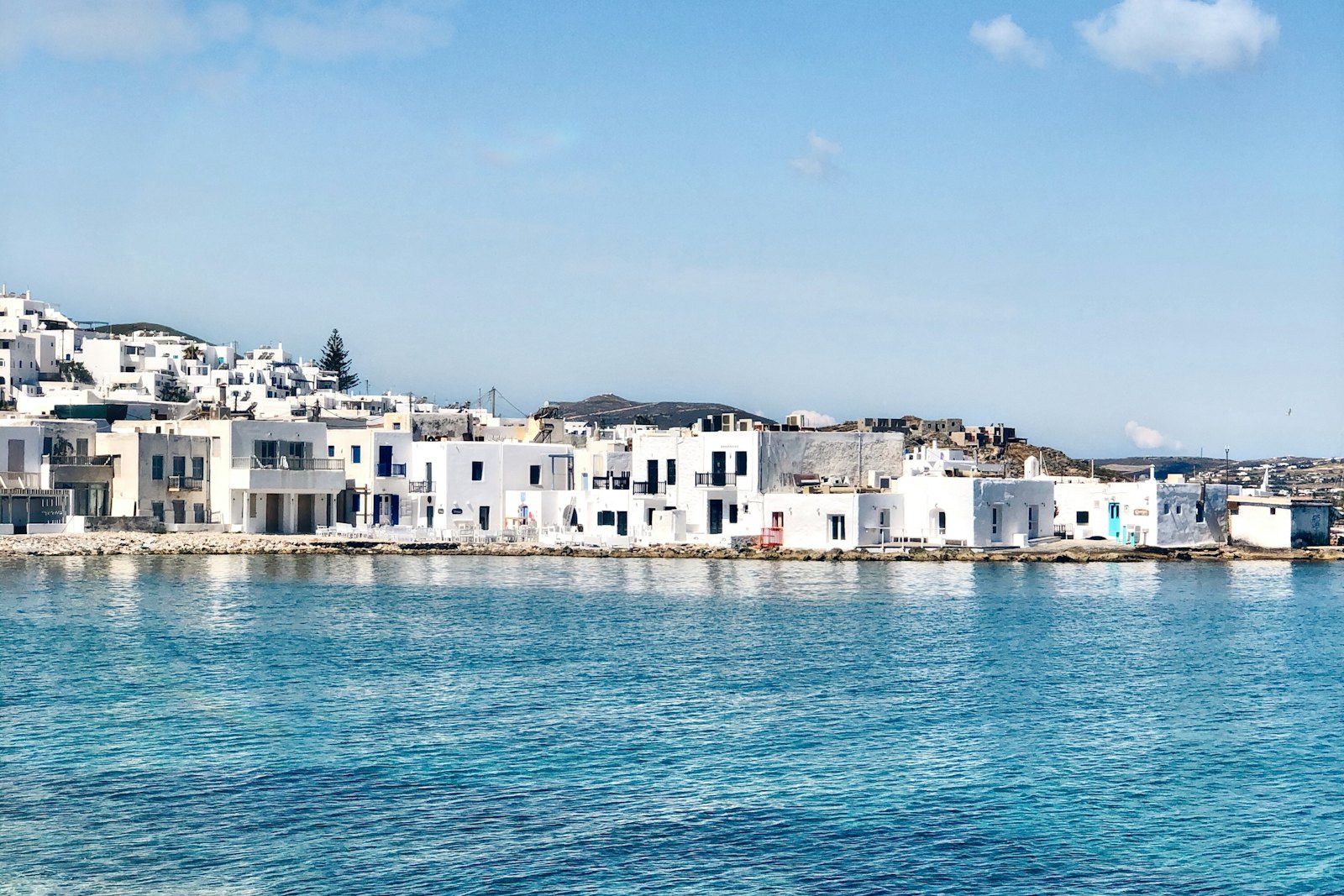
Sea
The sea asks for time. An hour between two transfers does not count as having been there.
36. Arrive on an island on the last boat. As long as there is somewhere to sleep. The island at night, with no other boat until morning, is another scale of place.
37. Walk a coast until the umbrellas run out. Go a little further. The swim, if there is one, is usually better where nothing is for rent.
38. Watch a storm from a harbour. Under cover, without playing the hero on a breakwater. Boats move in a way you do not understand from land.
39. Swim in water so clear it makes you dizzy. Stay where you can stand if you do not know the bottom. Clarity is not the same as safety.
40. Have breakfast facing the sea and schedule nothing after. At least one morning. If you have a ticket at eleven, you have not had breakfast facing the sea. You have been waiting.
People
Trips are told through places and remembered through people. Sometimes it is a single sentence with a stranger.
41. Learn five words and actually use them. Hello, thank you, please, the bill, a number. Badly pronounced, they are worth more than a speech you are not going to give.
42. Accept an invitation you were not expecting. A coffee, a meal, directions that turn into a walk. You can leave. That does not oblige you to stay all afternoon.
43. Ask the way and stay for one more minute. Not to extract information. So the conversation exists. Then use the map if you need it. Do not pretend you are not carrying one.
44. Let someone else choose a whole day. The person travelling with you, or the person receiving you. You choose the other days. One of them is not negotiated.
45. Write, when you are home, to the person who received you. Two lines are enough. The trip closes better when someone in the place knows you arrived.
The small hours
These do not fill a day, and they are often what remains when the large ones have blurred together.
46. The first night, only to hear the neighbourhood. No museum, no viewpoint, no "making the most of it". Eat nearby and take a short walk. The trip starts there, not in the first queue.
47. Miss a train and stay with the wait. If there is another and the night is not broken, do not treat it as a failure. Look at who else is waiting. Note the real time of the next one.
48. Keep a small object and remember why. A ticket, a napkin, a stone if the place allows you to take one. Without the reason written down, in a year it is rubbish.
49. Look for longer than you photograph. Choose a scene and do not lift the phone until you have seen it. Then, if you want, one photo. The way not to come home with thousands is in the photos of the trip.
50. The coffee on the day you decide you will come back. It does not always happen. When it does, you do not need a speech. The name of the place and the hour are enough, so you do not lose them.
How to keep just one
Read the list once and mark, on paper, only what made you envious. Not what "one ought to do". If you have marked more than three, cross them out until one remains for this trip and another for the next.
Then look at it with the calendar in front of you. A night on a train asks for another day around it. An island on the last boat asks for a bed on the other side. A sunrise asks you to sleep nearby. If the experience does not fit the days you have, it is not this trip's. Keep it. Do not squeeze it in.
That is the difference between a list and a journey. The list can have fifty lines. The trip, if it is to come off, has one.
Collecting experiences is not the same as letting one of them change you.
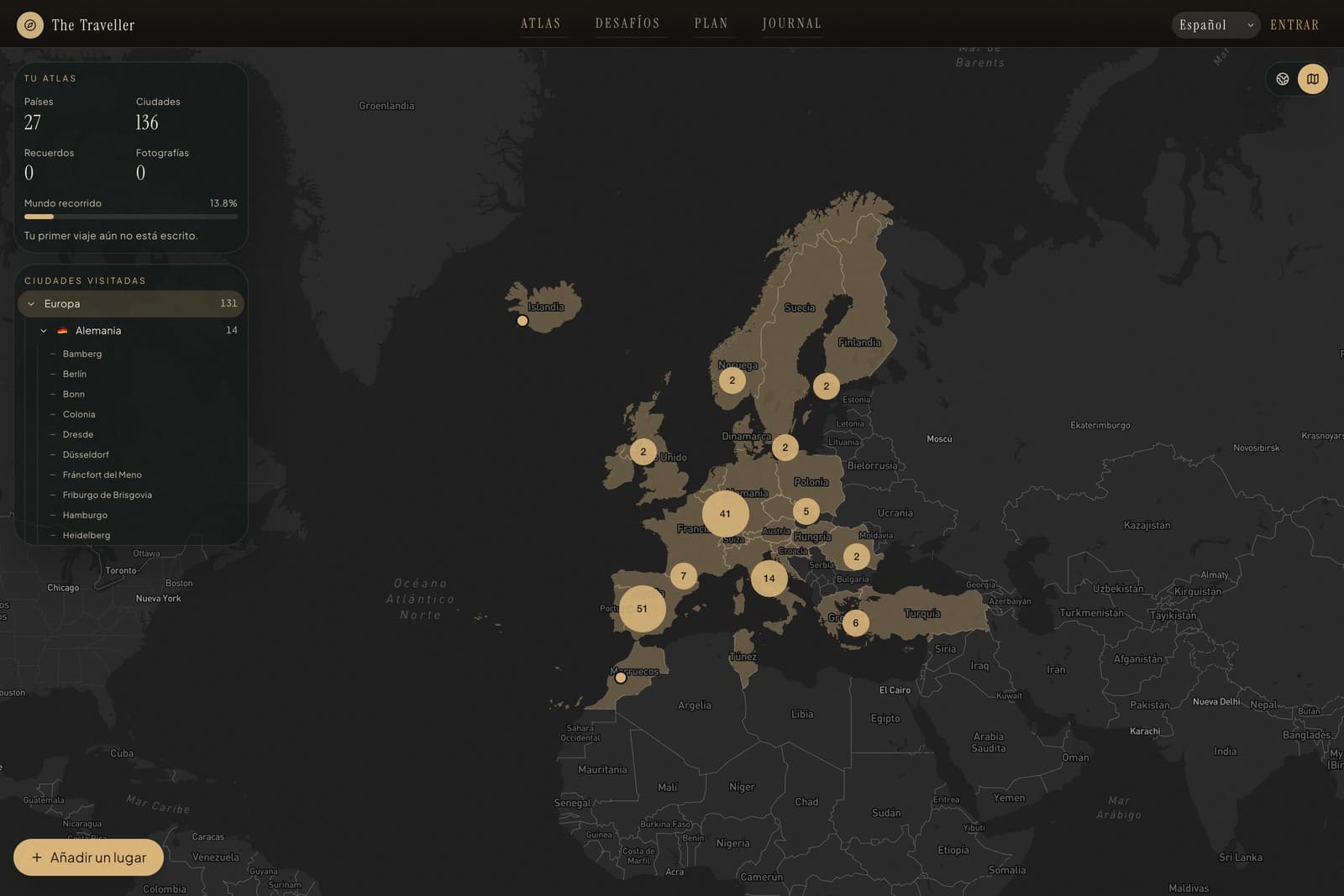
Choose one. Give it a whole day in the itinerary. When you come back, if that city matters, let it be on the map. The record is for that: not for reaching fifty countries, but for not forgetting the coffee in number 50.
Keep travelling
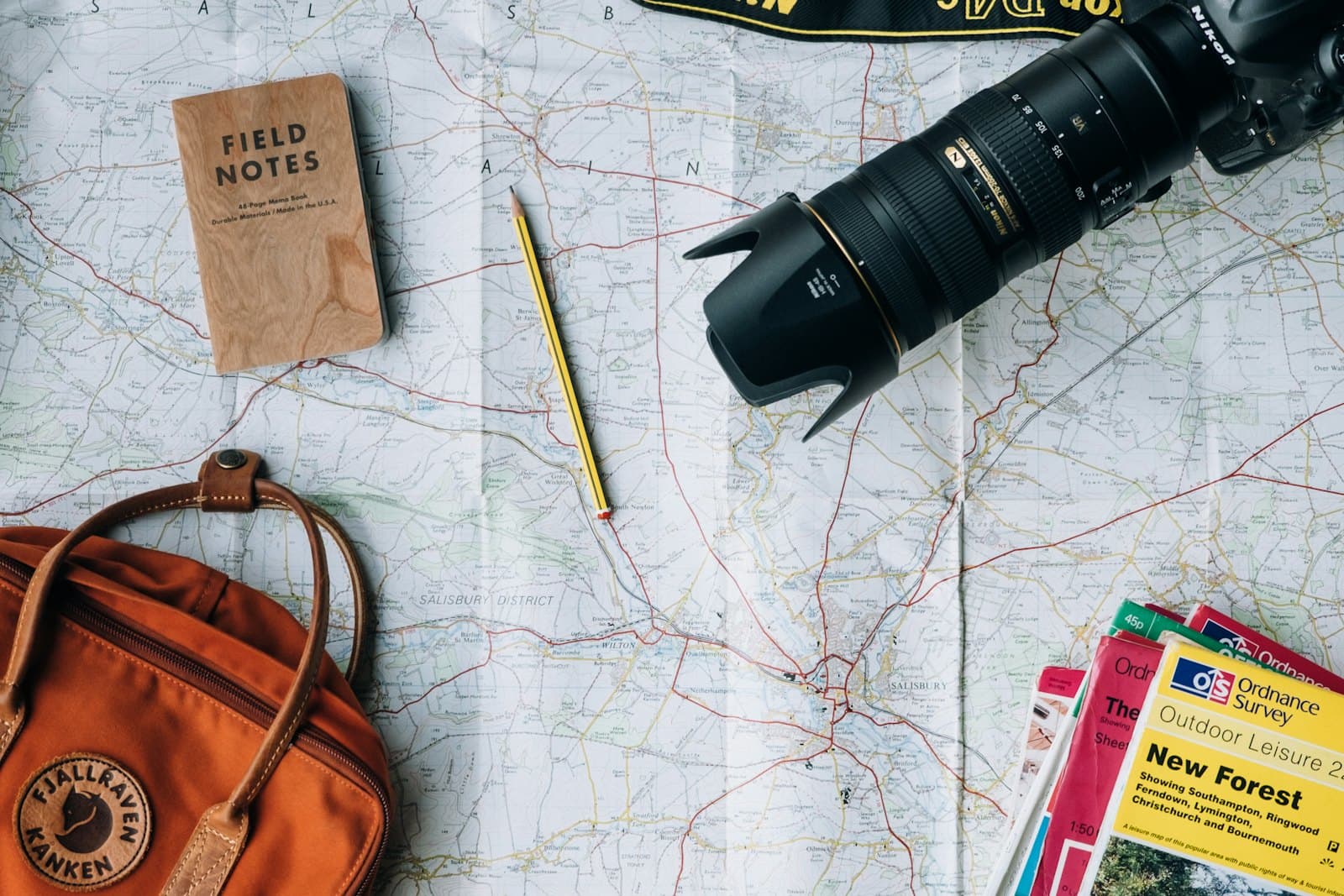
Planning
How to plan a trip, step by step
Planning is not filling every hour. It is deciding what kind of trip you want, and leaving the rest in its place.
Planning
How to build the perfect travel itinerary
An itinerary does not choose the place. It spreads the days so the trip can actually be lived.
Memories
How to keep a record of every country you have visited
Counting countries is a shortcut. The map you later want to open is made of cities, not boxes.