Planning
How to build the perfect travel itinerary
An itinerary does not choose the place. It spreads the days so the trip can actually be lived.
The Traveller Journal7 min read

In this article
The place, the money and the stops are decided earlier. An itinerary is something else: the order of the days, and the air you leave between them.
If you are still choosing where to go, start with how to plan a trip. This page starts when you already know, more or less, where you will sleep.
A good itinerary is not full. You can tell it out loud. And if one piece falls out, the rest still stands.
Pace comes first
Every trip has a pulse. A city walked slowly cannot take the same day as a coastal route with two transfers.
Before you place visits, decide the pace in one sentence. "Up early and back for lunch." "Nothing booked before eleven." "One hard day, then a quiet one." That sentence is worth more than a grid.
Pace is also physical. If you travel with children, with someone who does not walk far, or after a night flight, the first useful day cannot be the longest of the trip. The body arrives later than the bag.
Real distances
Maps lie kindly. Two close dots can be an hour on the metro, a harbour without a taxi, or a road you do not want to drive at night.
For each jump, write the door-to-door time. Include getting to the station, a margin so you are not running, and the way out to where you sleep. A forty-minute train between cities is often a morning.
Group what you can walk. Separate what needs a ride. If two anchors on the same day cannot be done on foot, or with one short journey, they are not the same day.
When the cities are already in Plan, you can also look at the days on the map. That is where the zigzag shows: the day that crosses the city twice, the ferry that eats the afternoon, the hotel that is "a step" from the centre and is not.

One anchor a day
The anchor is the only thing that day has to hold. A visit, a table, a walk, a beach, a person. Not three.
The rest can exist as an idea, not as an appointment. "If we still have the energy, the next neighbourhood." That is not a broken plan when it does not happen. An entry at 16:00 after another at 11:00 and a transfer at 13:30 is.
Choose the anchor for the trip, not from fear of leaving something out. If the reason was the sea, the anchor cannot be an indoor museum just because you are nearby. What does not fit this trip can be the reason for the next one.
| Kind of day | The anchor | What does not belong |
|---|---|---|
| Arrival | Drop the bag and eat nearby | Museums, viewpoints, queues |
| City | One neighbourhood or one work | The whole "what to see" list |
| Outing | One place, with the return written down | Another village "on the way" |
| Quiet | Nothing booked | Guilt about doing nothing |
| Moving | The journey, written as an appointment | Activities at the hour you arrive |
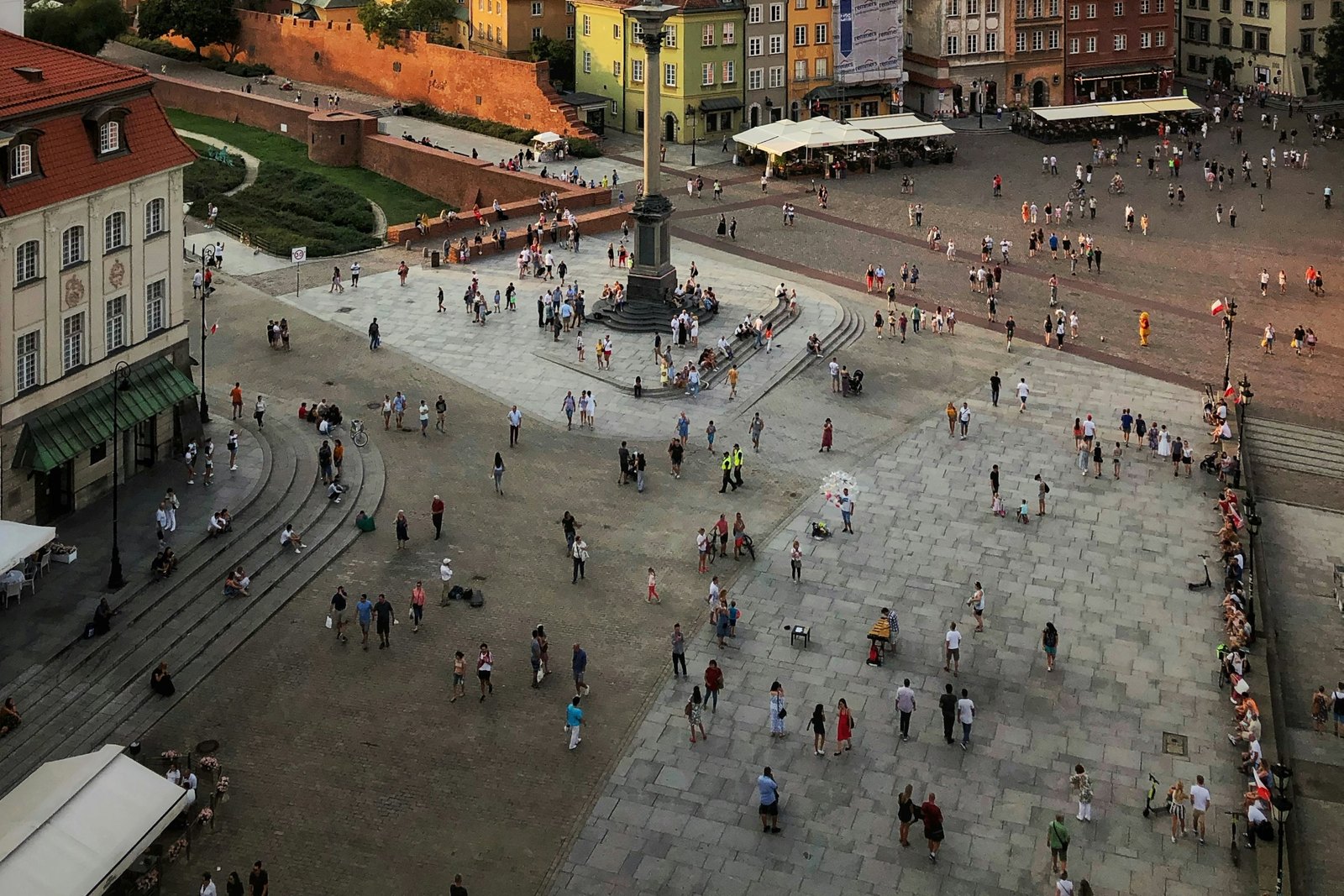
Arrival and departure
Arrival day starts when you are on the street, not when the transport lands. If the flight comes in at four, the day ends at dinner. Treat it that way.
Keep the first night near where you arrive, or with a simple transfer. Do not cross the city with bags to save a little if it costs you the afternoon.
Departure day is just as short, and you also have to be somewhere early. Count the airport, the station or the traffic. A "quick" visit that morning is the most common way to miss the transport.
If the trip ends at home, the return is a line in the itinerary too. Not a detail you add on the last day.

The gaps
A gap is not a hole in the plan. It is where the trip gets in.
Name the gaps, so you do not fill them without noticing. "Afternoon free." "Lunch with no place." "Morning in case it rains." If the gap is not written, the leftover list occupies it.
Gaps also absorb delay. A late train, a queue, a tired child, a conversation that runs long. Without a gap, all of that undoes the next appointment. With a gap, the day changes shape and is still the same day.
Rest
A rest day is not a lost day. On a trip longer than five days, one day without an anchor stops the last days from happening on inertia.
It can be sleeping later, repeating a coffee, staying in the neighbourhood, washing clothes, talking to no one. You do not have to dress it up as a "spa day" or a "gentle cultural day". It can have no theme.
If the trip is short, the rest hides inside the day: a long meal, an hour with nowhere to be after the anchor. Not every trip has a whole free day. Every trip needs a stretch when you do not have to be anywhere.
How to spot an impossible itinerary
Read it as if you were telling someone who likes you and will not follow your enthusiasm. These signs are usually right:
- There are more transfers than days.
- You change beds more than once every three nights, without a reason of route.
- Some day has two timed appointments and a journey in between.
- Arrival or departure is full.
- There is not a single empty afternoon.
- For it to work, everything has to be on time.
If you recognise two, remove something before you add. The usual candidate is the village "that is on the way". It almost never is.
If every hour is taken, you are not travelling. You are running a schedule.
A sample week
This is not a real trip. It is a way to read seven days on the coast, with a single base.
- Afternoon arrival. Dinner nearby. Nothing else.
- The neighbourhood. A market in the morning. The afternoon free.
- The long outing. A village or a cove, with the time back written down.
- A quiet day. No bookings. If a plan appears, it is because you want it.
- The other outing, shorter than day 3.
- Whatever was left, or a repeat of what you already liked. Not a third new area.
- Departure. Extra margin. Breakfast counts as the plan.
That week has two excursions, not seven. You can tell it in four sentences. If it rains on day 3, day 4 absorbs the change. That is an itinerary. The other version — a different village every night — is a house move with a view.
Say it out loud
Walk the days one last time and say what happens on each. Where you hesitate, something is extra or a journey is missing.
Then look at the bag. An itinerary with three climates, two formal dinners and a hike does not fit the same luggage as a city weekend. The packing list is easier to write once the days have a shape.
If you want ideas for the anchors — not more stops — the fifty experiences are for choosing one, not for attempting all fifty.
Keep travelling

Planning
How to plan a trip, step by step
Planning is not filling every hour. It is deciding what kind of trip you want, and leaving the rest in its place.

Planning
What to pack: a checklist so you forget less
Pack for the days you will actually have, not for every version of the trip.

Inspiration
50 travel experiences worth having once
This is not a list to tick off. It is a pile of reasons to leave, and to leave almost all of them alone.