Planning
How to plan a trip, step by step
Planning is not filling every hour. It is deciding what kind of trip you want, and leaving the rest in its place.
The Traveller Journal11 min read
In this article
A trip falls apart less often from a lack of plans than from plans that do not fit. This guide follows the order worth deciding in: the kind of trip first, then the place, the time, the money, the stops, and only at the end the daily plan.
You do not have to close it all in one sitting. You do need to know what is already decided and what can wait.
Decide what kind of trip it is
Before the map, a more useful question: what do you want to happen?
A city break is not organised like a mountain route, and a holiday with children is not a weekend alone. The kind of trip changes the pace, the bag, the budget and even the hour worth leaving.
Give it a plain name. "Coast in October", "a long weekend", "the train to the border". The name stops the plan turning into a shapeless wish list.
If you travel with other people, agree the kind of trip before you open tabs. Two people can want the same country and different journeys: one wants to walk, the other does not want to be up early. Settle that at the start. Later it costs more.
Choose the place
A good destination is not the most famous one. It is the one that fits the time you have, the season and the appetite you actually feel.
Three filters are enough:
- Time. A weekend does not hold three cities. Ten days can hold a region.
- Season. Not the season of the postcards: the season of your dates. Rain, heat, short days and local holidays change the plan.
- A reason. One thing the trip must contain. The rest can fail.
If you still do not know where to go, do not start with an endless list of must-sees. Start with the reason. Eating well, walking, seeing someone, doing nothing, one particular train. The place comes out of that.
When you already have rough dates, a starting point and a mood — culture, nature, walking, rest, food — Plan can suggest three trips and prefer places that are not on your map yet. It is a starting point, not an order.
Fix the length
Length rules more than the destination. With three days, pick one base. With a week, one base and at most one move, or two if the journeys are short. With more time you can jump, but every jump eats a morning.
Count useful days, not calendar days. The day you leave and the day you return are almost never full days. If you depart on Friday night and come back on Sunday at noon, you have one day, not a weekend.
Leave a margin. One spare day in a ten-day trip stops a delay from undoing everything else.
Put a budget on it
A budget is not a round number. It is four lines and a remainder:
| Line | What it covers | What usually goes wrong |
|---|---|---|
| Getting there | Flights, trains, fuel, transfers | Looking only at the outbound ticket |
| Sleeping | The bed and the taxes | Changing hotel every night |
| Eating | Real meals, not an ideal average | Leaving it as "we'll see" and spending twice as much |
| One thing | The visit, train or table you will not negotiate | Booking it late |
| Margin | Ten or fifteen per cent | Not having one |
The margin is not a luxury. It pays for the train you miss, the meal you did not expect and the museum that was worth it.
If the budget is tight, cut cities before you cut sleep or food. Sleeping badly and rushing costs more than it looks, and the trip is worse to remember.
Pick the stops
A stop is a place where you sleep, or where you spend a whole day. It is not every village you can see from the road.
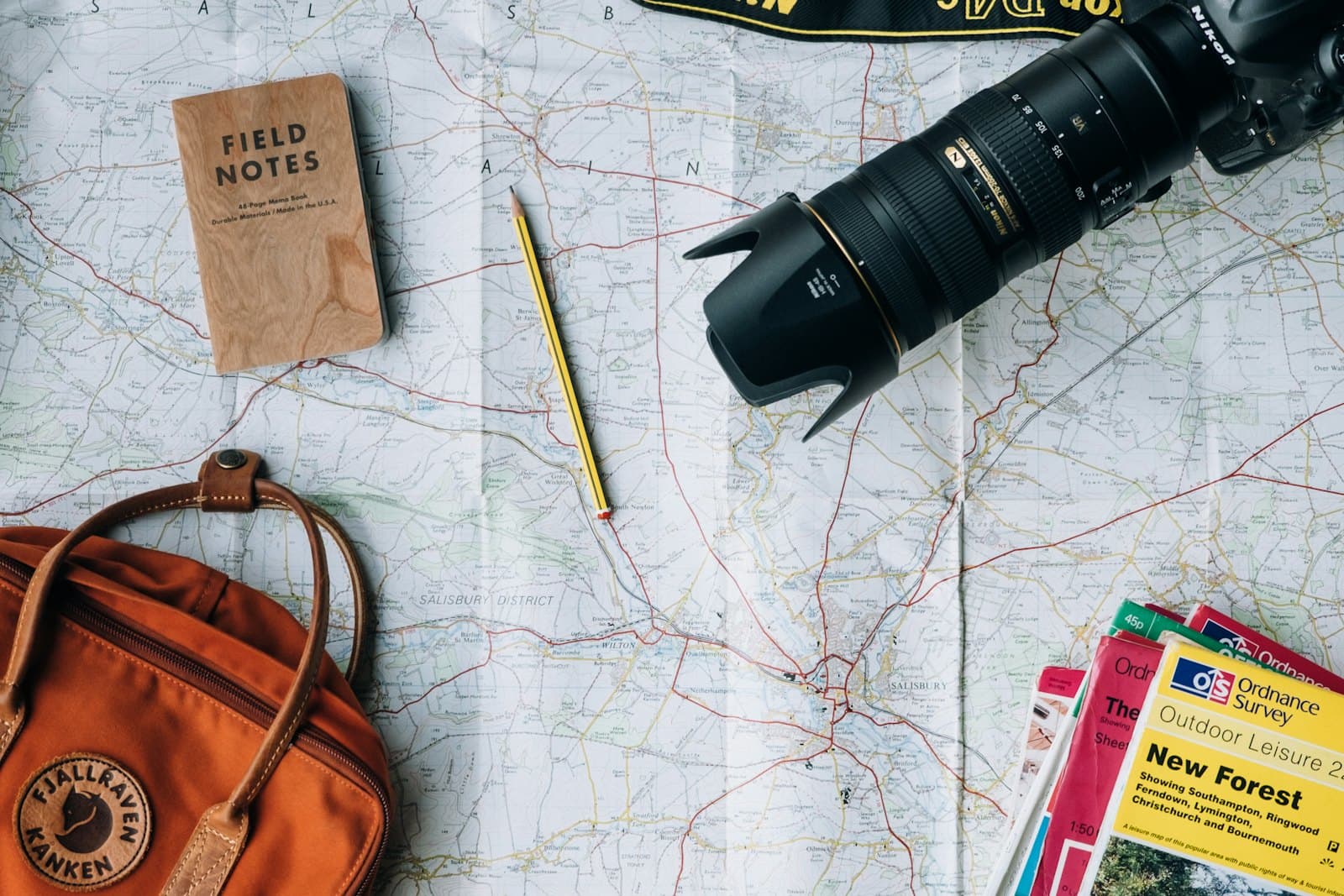
Write the list in two columns. On one side, what this trip has to touch. On the other, what you would like if time is left. The first column should fit in the useful days. If it does not fit, it is not a list. It is a wish.
Order matters less than distance. Two cities that look close on the map can be three hours by train. Check the real journey before you fall for the straight line.
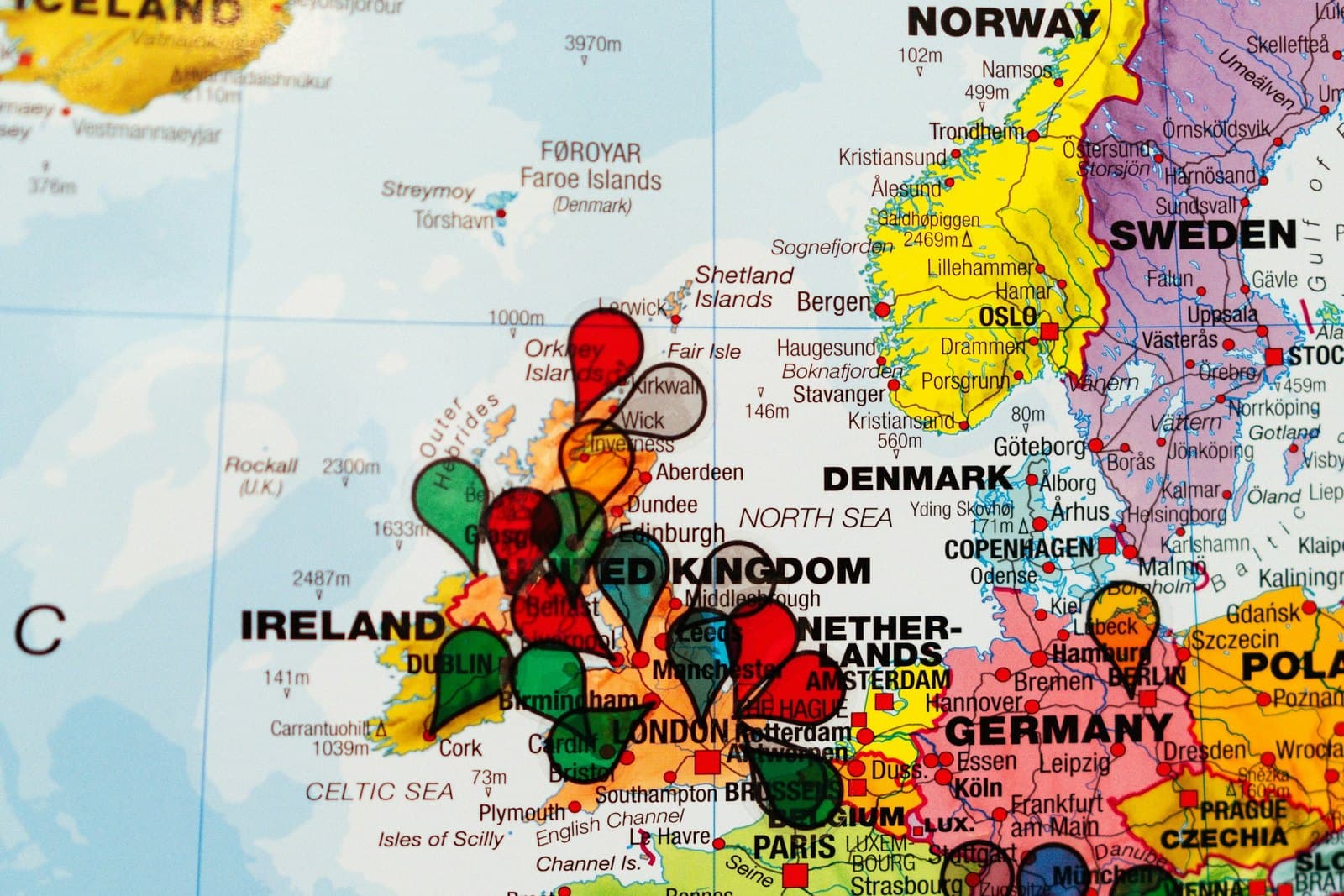
When the cities are clear, you can carry them into Plan and see the whole route on the map. A path and a zigzag do not look the same.
To spread those days without turning them into a race, use the itinerary guide. Here you only need the stops to fit.
Sort out transport
Start with how you arrive and how you get home. Then how you move from one stop to the next.
For each jump, note four things: the means, the real duration, a rough price, and whether you must book. The means might be a plane, a train, a car, a bus or a boat. Real duration includes getting to the station, checking in, waiting and leaving the airport. A one-hour flight is almost never one hour.
Book early what sells out: a night train, a ferry with few sailings, a car in high season. Leave open whatever leaves every half hour.
If you drive, do not count the speed of an empty motorway. Count fuel, parking and the hour after which you no longer want to be at the wheel. If you use public transport, check the last service of the day. Missing it changes the night.
Choose where to sleep
A good place to sleep is one that leaves the day free, not the one in the most photographs.
Three practical tests:
- How many nights. Two or three in the same place almost always beat one night and another bag.
- Where it is. A neighbourhood you want to walk back through at night is worth more than a slightly cheaper address and a transfer every morning.
- What is included. A kitchen, a washing machine or a decent breakfast changes the budget and the bag.
Read the cancellation terms before the price. In a plan that is still moving, being able to change one night is worth more than saving ten euros.
You do not have to book every bed on the first day. Book the arrival and whatever fills up. The rest can wait until the itinerary has some air.
Put activities in their place
Choose one thing a day the trip should not miss: a visit, a meal, a walk, a person. Not three.
That thing is the anchor. If the day goes crooked, the anchor moves. If there is no anchor, any "what to see" list fills the gap and the day fills with places you did not want.
Book an activity when it truly needs it: a timed entry, an odd hour, a table that will not be there at nine. A walk is not booked. A viewpoint at sunrise sometimes is.
If you want ideas for what a trip is for — not a ranking of sights — the fifty experiences are more useful than a list of attractions.
Documents, without the drama
Rules change, and they are not the same for every passport. Near the date, check an official source for what your destination asks: a valid document, a visa or travel authorisation, insurance, driving permits. Do not trust a list saved from the last trip.
What you can settle ahead of time:
- A valid document, and a copy that is not only on your phone
- Bookings for the journeys and the first nights, available offline
- Insurance: the policy number and the phone, not only the confirmation email
- Medicine with the name of the active ingredient, if you depend on it
- A licence, if you will drive
In the plan, documents are a list of what must be resolved, not a folder for uploading your passport. Tick an item when it is done. The papers travel with you. The list only reminds you they exist.
The bag
The bag is decided once you know the weather, the transfers and whether you will walk or sit still. Before that, it is a guess.
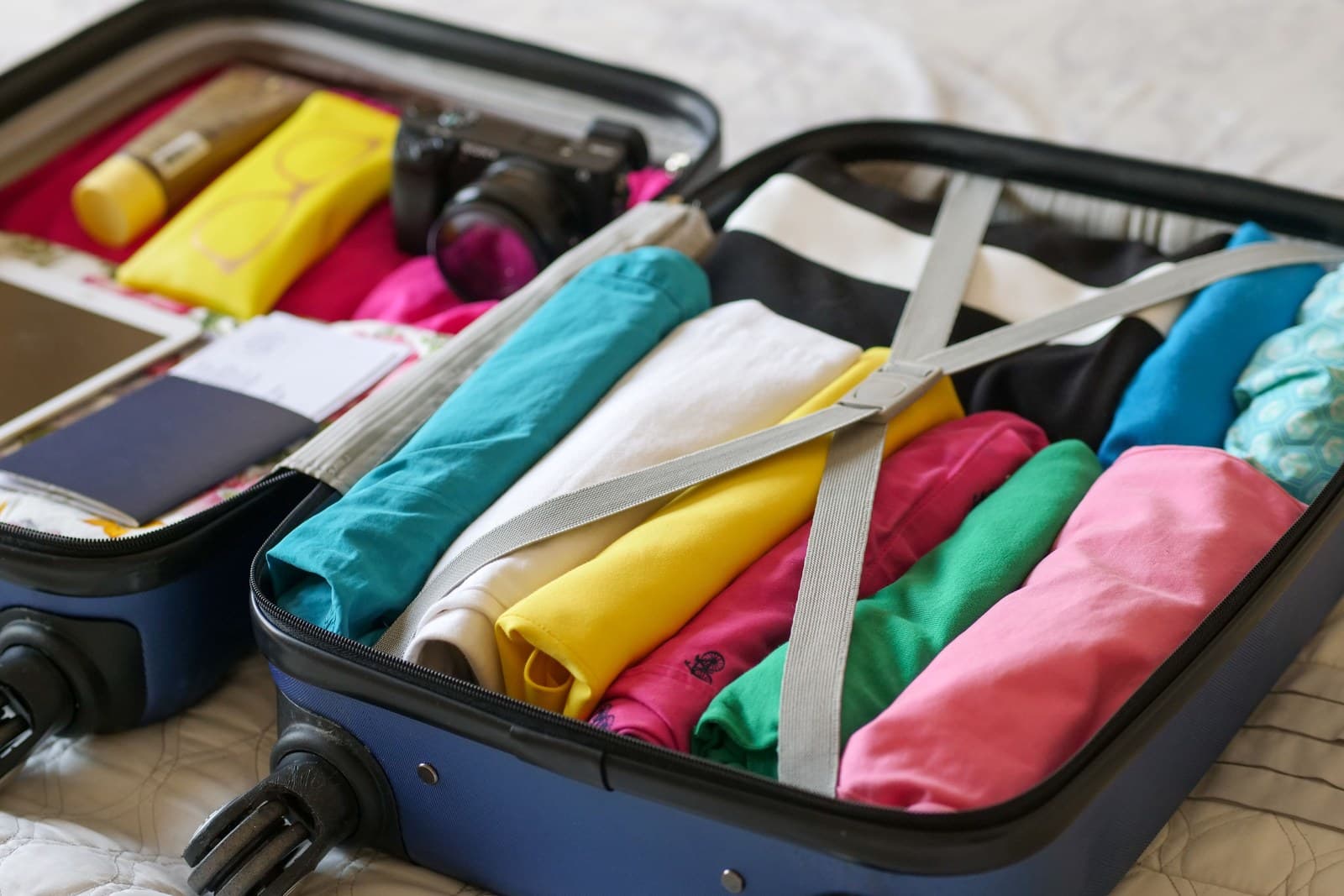
Pack for the days you will have, plus one layer in case the forecast is wrong. One set of clothes in your carry-on, in case the bag does not arrive on the first day. Fewer shoes than feel reasonable.
The full list, by category, and what to check before you lock the door, is in what to pack. If the trip already lives in a plan, that list can sit in the packing chapter and be reused next time.
Build the days
Only now is it worth going day by day.
Give each date three lines at most: morning, midday, afternoon. Many of them should stay blank. A day with a single line is a good day.
Write the journeys as appointments, not as invisible arrows. "Train at 11:40, arrival 14:10" takes the lunch. If you do not write it, you will plan on top of it.
Read the days in order and, if you can, on a map. Two activities on the same day in opposite neighbourhoods show up at once. The itinerary guide goes into pace, arrival days and rest. Here one test is enough: could you tell someone the trip out loud without running out of breath?
The last pass
A week before you leave, walk through the plan with one question: what happens if a piece falls out?
- If the train is cancelled, is there another way to arrive that day?
- If it rains, does the day's anchor still stand?
- If the budget slips, what do you cut first?
- Are the documents in your bag, not in the checked luggage?
- Does someone else have the address of the first night?
Do not add plans in that pass. Remove some. A trip that is a little shorter on paper is usually the one you actually live.
If you cannot explain the trip in four sentences, it is not planned yet. It is collected.
Mistakes that spoil a good trip
Almost all of them come from the same impulse: not wanting to miss anything.
| Mistake | What breaks | What to do instead |
|---|---|---|
| Seeing everything | The trip becomes a chain of transfers | One thing the day cannot lose |
| A new bed every night | Mornings disappear into bags | Two or three nights in the same place |
| Filling every hour | Any delay undoes the day | Real gaps, not twenty "free" minutes |
| Ignoring the journey | Two "nearby" plans are an hour apart | Measure the trip you will actually take |
| Booking late what sells out | The train or the table is gone | Book that, and leave the rest open |
| Packing for the postcard | You bring clothes for another season | Check those dates, not the August photos |
When you come back, the cities can stay on your Atlas, with whatever you want to remember beside the place. The plan was for going. The map is for not losing what happened.
Keep travelling
Planning
How to build the perfect travel itinerary
An itinerary does not choose the place. It spreads the days so the trip can actually be lived.
Planning
What to pack: a checklist so you forget less
Pack for the days you will actually have, not for every version of the trip.
Inspiration
50 travel experiences worth having once
This is not a list to tick off. It is a pile of reasons to leave, and to leave almost all of them alone.