Inspiration
Slow travel: how to travel slower and enjoy the trip more
Travelling slowly is not a lack of plans. It is fewer stops, longer stays, and days that still have hours without an appointment.
The Traveller Journal10 min read
In this article
- What slow travel actually is
- The problem with trying to see everything
- Slow travel does not mean skipping the plan
- A simple rule: fewer bases, better trips
- Plan experiences, not only monuments
- Leave empty gaps in the itinerary
- Travelling out of season is part of the change
- How to turn an ordinary trip into slow travel
- The best measure of a trip may not be how many places you saw
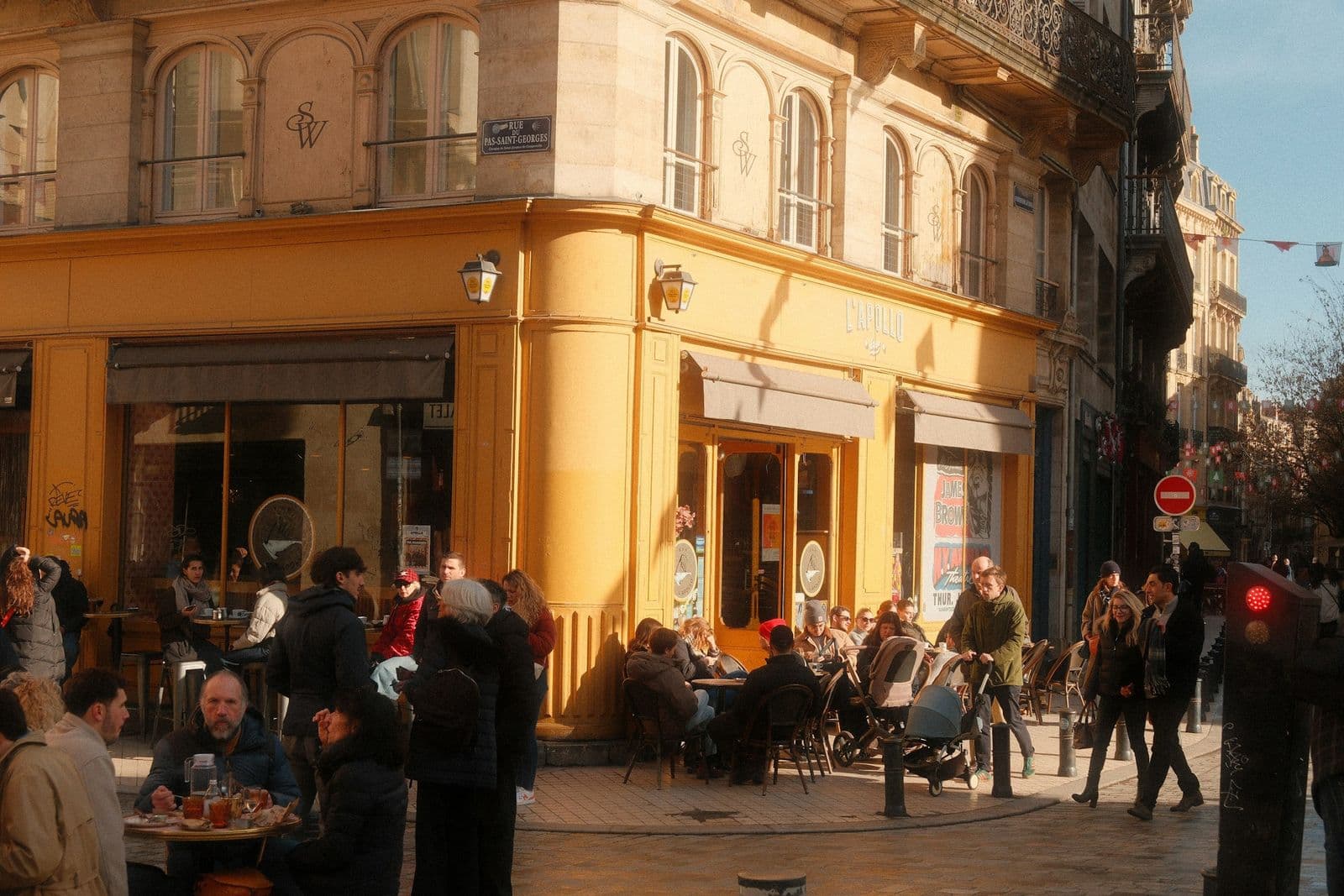
Some trips come back as a square at eight in the evening, when the morning tour has already gone. Others come back as the taxi that never arrived, the museum that was closing, and the dinner eaten standing up because the train left at nine.
The destination is rarely the difference. The pace is.
What slow travel actually is
Slow travel is not a label for guesthouses with a vegetable garden, and it is not a polite way of saying you dislike cities. It is a way of dividing the days: fewer bases, more nights in each, and one thing the day is not allowed to lose.
You do not need a month. A weekend in a single city, without a second outing “while we’re here”, is already travelling slowly. Ten days with four hotels is not, even if the towns are small.
The useful question is not how many places fit. It is how many days you give each one before it stops being a list and starts being a place. If you are still choosing the kind of trip, the stops and the money, start with how to plan a trip. This comes after: when the map already has names, and the risk is filling it.
The problem with trying to see everything
The impossible itinerary rarely fails on day one. It fails on day three, when you cannot remember which bed you slept in and the morning disappears into packing.
Seeing everything looks generous towards the destination. In practice it is a chain of transfers. Each new anchor eats the previous one: lunch becomes a sandwich in the station, the neighbourhood you sleep in is never seen in daylight, and the “hour at the market” vanishes because the train will not wait.
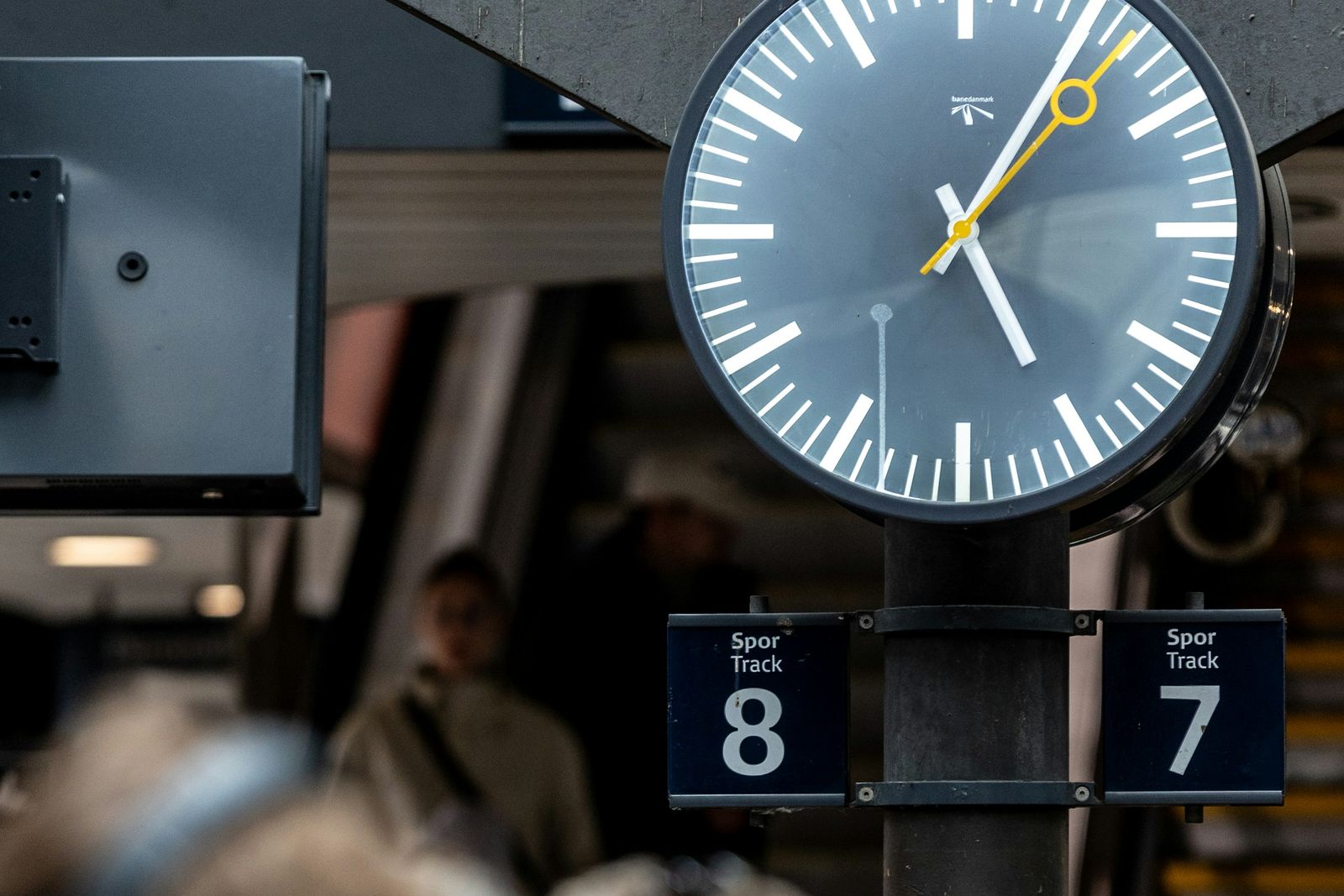
There is a clear signal. If the plan only works when everything runs on time — breakfast, check-out, the bus, the queue, the photo — it is not a plan. It is a work timetable with luggage.
Another signal: you change beds more than once every three nights, and it is not because of a night train or a boat. The mornings go. What you meant to see on arrival, you see tired, or not at all.
Slow travel does not mean skipping the plan
Travelling with no plan is not slower. It is usually more expensive, more tiring, and, in high season, more improvised than the day can take. A train every half hour can stay open. The 16:40 ferry cannot.
Slow travel plans something else. You book the bed, the jump between cities, and whatever sells out. You leave the coffee, the walk, the second visit without a time. Order still exists. What goes is the duty to fill every gap.
That is closer to a good itinerary than to an escape. In how to create the perfect itinerary there is one anchor a day, transfers are written as appointments, and arrival day does not get a museum at five. Slow travel uses the same tool with fewer cities stacked on top.
A simple rule: fewer bases, better trips
A base is where you leave the bag for more than one night. It is not every village you can see from the road.
Three nights in the same place usually give you two useful days. A single night gives you a check-in, a nearby dinner and a check-out. If the reason for the trip is within walking distance of that bed, you gain nothing by changing it the next day.
A rule that holds for almost any calendar:
- Three or four days: one base.
- A week: two, with the change mid-morning and no visit at the hour you arrive.
- Ten days: two or three. The third only if the jump is short and you sleep there at least two nights.
The third city that “is on the way” almost never is. It is an hour from the station, with luggage, and it eats the day you meant to keep still.
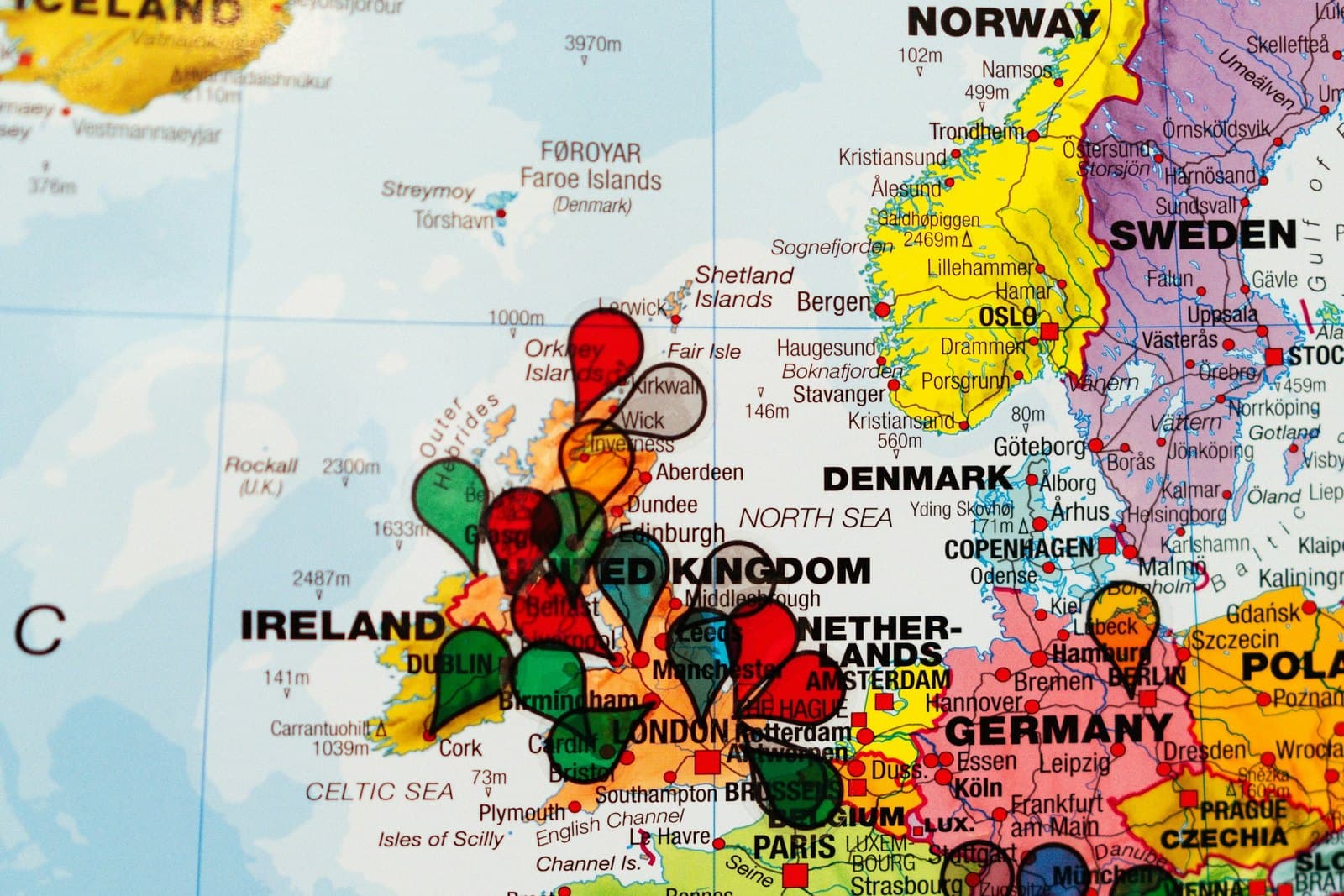
If the cities are already in Plan, look at them on the map before you fall for the list. The day that crosses town twice shows up there, not in a thread of tips.
Plan experiences, not only monuments
A monument uses up its hour. An experience needs time around it: arriving without a rush, staying when the group leaves, eating nearby, walking back by another street.
That is why a slower trip chooses little. A table you have to book. A walk that needs the morning. A market that shuts at three. The rest can exist as an idea. If the day turns, the anchor moves — not a list of façades.
To choose that one thing — not to attempt fifty — the fifty travel experiences are enough. They give the reason a name: walking, a coast, a kitchen, a temple at the end of a path. They are not a checklist.
| The day fills up if… | The day opens if… |
|---|---|
| Two timed tickets and a transfer in between | One anchor, and the rest is walkable |
| Lunch is a formality between two queues | The meal can run long without breaking anything |
| The important thing is an hour from the bed | It is in the neighbourhood, or it is the written transfer |
| “While we’re here” adds another town | What does not fit waits for the next trip |

Leave empty gaps in the itinerary
A gap is not twenty minutes between the museum and the train. It is an afternoon with no destination, or a morning that can absorb a delay.
If you do not name it, the to-do list occupies it. “Free afternoon” and “lunch with no booking” are appointments. “We’ll see” is not: it becomes another queue.
On a trip longer than five days, a day without an anchor stops the last ones running on inertia. It can mean sleeping in, repeating a café, staying in the neighbourhood, doing laundry. You do not have to dress it up as a “gentle culture day”.
If the trip is short, you do not need a whole blank day. You do need a long lunch, or an hour with no destination after the one thing that day had to hold.
Travelling out of season is part of the change
Pace is not only how many cities you put down. It is who you share the pavement with.
Out of season there are shorter queues, more tables, and weather that never made the postcard. There are also fewer ferries, museums on short hours, and towns that close on Monday. That does not cancel a slower trip. It forces it to be specific. Check those dates, not August.
High season does not make slow travel impossible. It makes the bed and the train hard to improvise. Book those. Leave the walk open. Go early where the queue forms at ten, or go at another hour. In August, travelling slowly is usually one good base and little appetite for crossing the region “because it is close”.
The calendar itself is a way of cutting. A three-day break does not hold two cities and a village. A week in October, in one place, often gives more than the same week in July with three hotels.
How to turn an ordinary trip into slow travel
You do not have to start again. You have to take something out.
- Name the reason in one sentence. “Coast, and not much driving.” “One city on foot.” “See someone and do very little.” If it will not fit in a sentence, it is still a list.
- Drop one base. The one with the fewest nights, or the one that is “on the way”, is the candidate. What you wanted there can be a day trip, or the reason for the next journey.
- Keep two nights as a minimum, except for a night train or a boat. A single loose night almost never earns the packing.
- One anchor a day. Book only what sells out. Write the rest as an idea.
- Write the gaps. Arrival with no appointments. One day, or one afternoon, without an anchor. Transfers with a time.
- Say the trip out loud. Where you hesitate, a stop is spare.
That cut hurts a little on paper. On the ground, it is often when the trip begins.
The best measure of a trip may not be how many places you saw
People come home with photographs of façades and, sometimes, with the feeling they were never really there. The city count comforts you on the day you book. It comforts you less on the day you return.
A more honest measure: could you describe the neighbourhood you slept in without looking at a map? Is there a café you would go back to? Was there an afternoon that was not on the list and still counts?
That does not come from seeing more. It comes from staying.
When you are back, the cities can sit in your Atlas, with a photo or a line next to the pin. You do not need to have collected them. You only need to have been there.
Sources
These readings are about the climate around travel, not about your week:
- European Travel Commission — Monitoring Sentiment for Intra-European Travel
- European Travel Commission — Long-Haul Travel Barometer 1/2026
- Booking.com — Travel Predictions 2026
None of them designs the itinerary. Taken together, they describe travellers who ask for more time in a place and less hurry between stops. Cutting a city is still your decision.
Build the bases and the days first. Then let the trip move them: a delay, a lunch that runs long, a neighbourhood that deserves another night. Plan is there to hold cities, jumps and anchors in one place, without turning the holiday into a task list.

Keep travelling
Planning
How to build the perfect travel itinerary
An itinerary does not choose the place. It spreads the days so the trip can actually be lived.

Planning
How to plan a trip, step by step
Planning is not filling every hour. It is deciding what kind of trip you want, and leaving the rest in its place.

Inspiration
50 travel experiences worth having once
This is not a list to tick off. It is a pile of reasons to leave, and to leave almost all of them alone.